




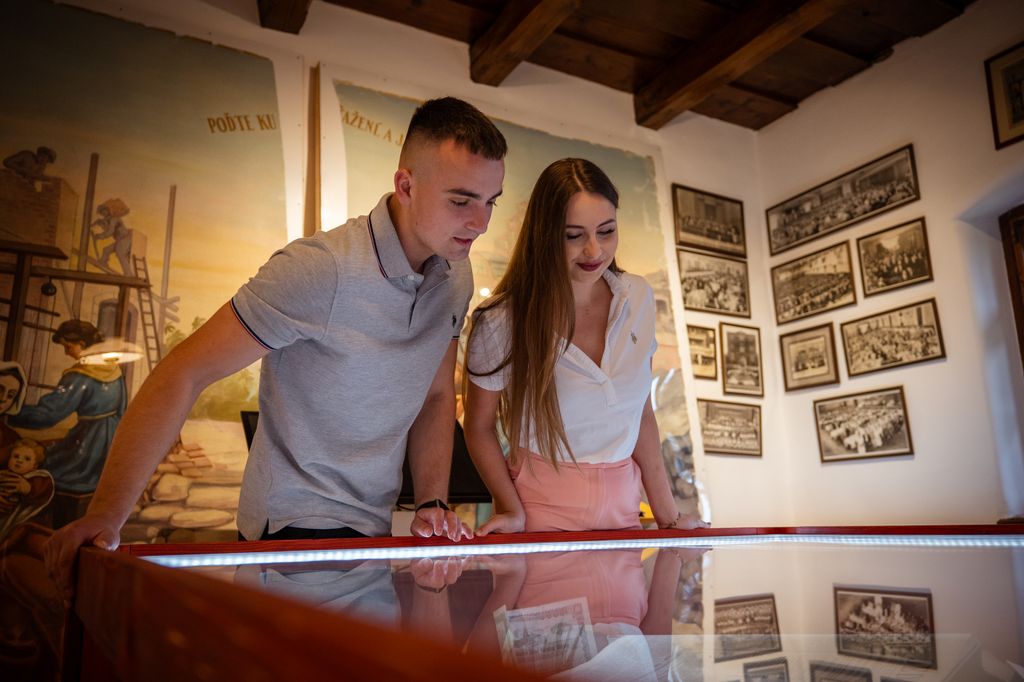


Museum of Emigration from Slovakia to North America – Kasigarda
The Museum of Emigration from Slovakia to North America, known as Kasigarda, presents the history of Slovak emigration to the United States of America and Canada. It explores a period when thousands of people crossed the ocean in search of a better life, often without knowing the language, having much money or knowing what awaited them. The exhibition focuses on their personal stories, their lives and work abroad, as well as the ways in which they preserved Slovak traditions in the New World.
The name Kasigarda originates from the historic immigration centre Castle Garden in New York, through which many early immigrants passed. The name symbolically reflects the reality of emigration – uncertainty, hardship and stress, but also great hope and the desire for a better life.
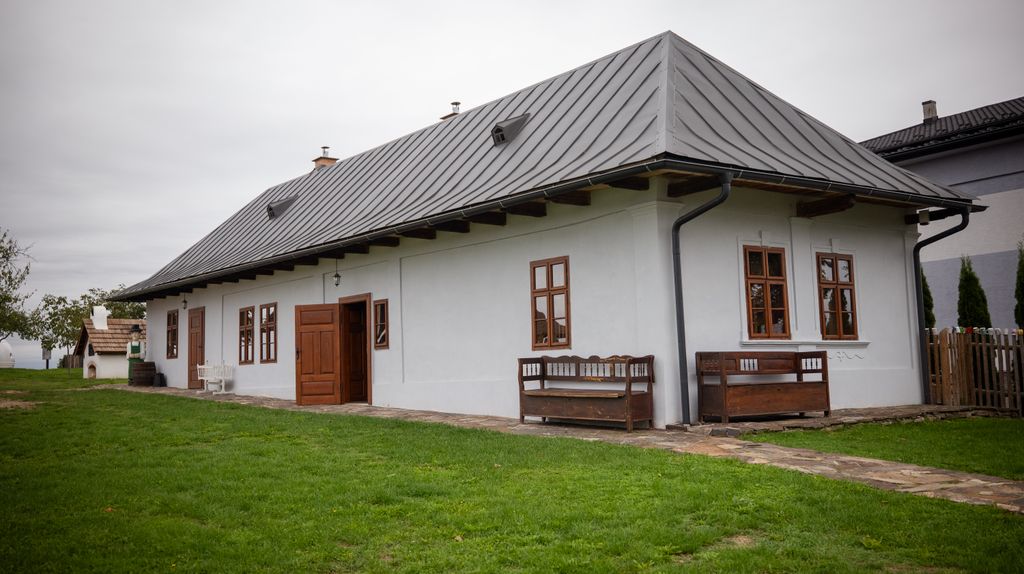
The museum exhibition is housed in a restored so-called American house in Ťahyňa, part of Pavlovce nad Uhom, in a region from which many inhabitants once emigrated overseas. The location itself therefore naturally complements the museum’s theme and creates an authentic atmosphere.
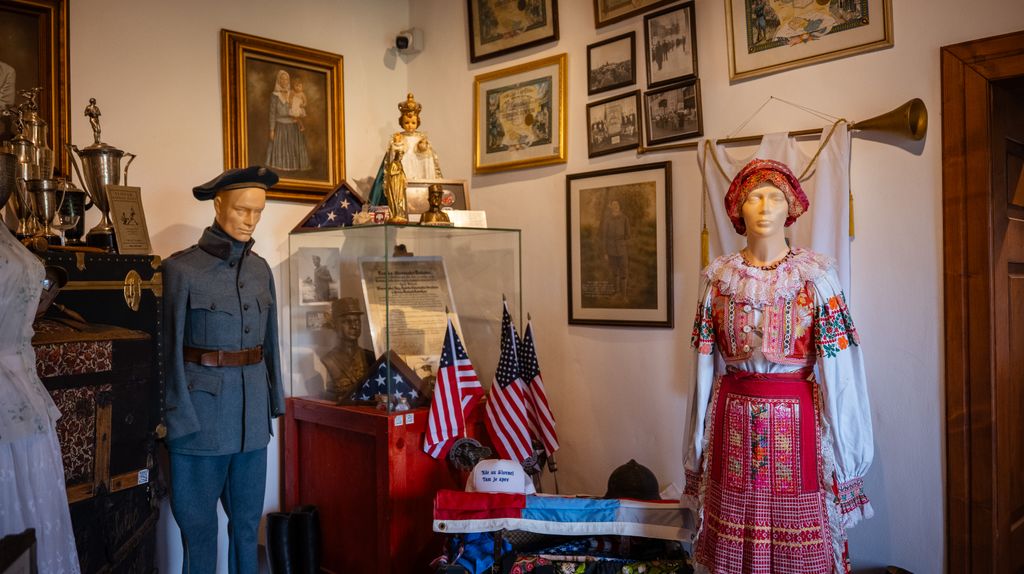
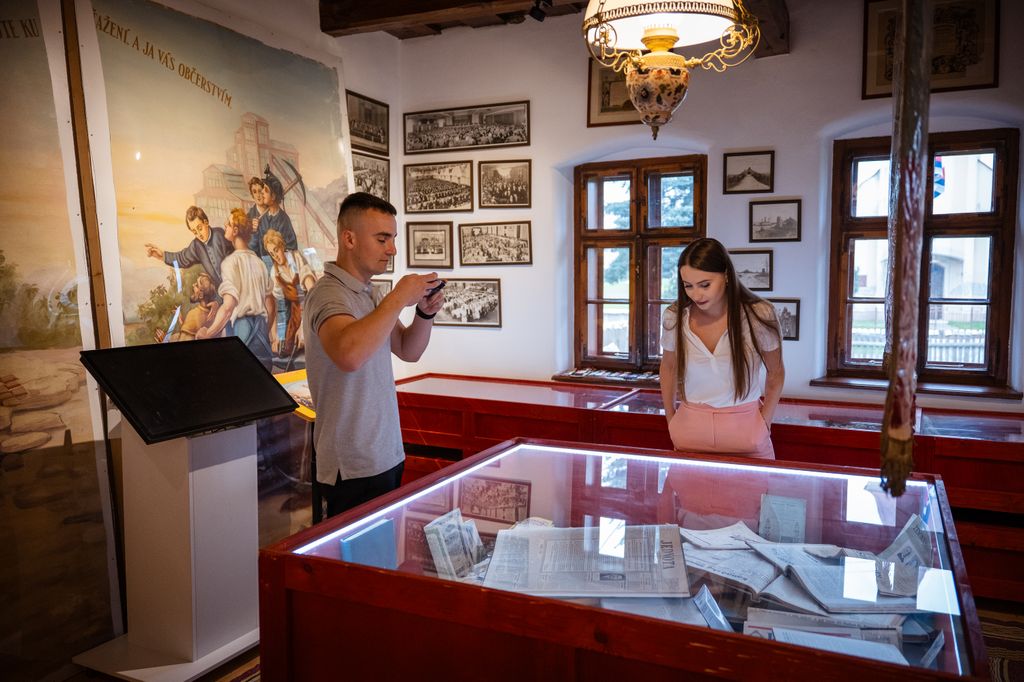
The museum houses an extensive collection of approximately 4,000 artefacts from the United States and Canada. Visitors can see objects from emigrants’ everyday lives, personal documents, certificates, photographs, letters and items associated with Slovak communities in America. One of the most significant parts of the collection is the largest collection of ribbons from Slovak associations in the USA, documenting the rich social and cultural life of Slovaks abroad.
A special section of the exhibition is dedicated to Michal Bosák, a prominent Slovak banker and entrepreneur who also became known for having his signature appear on U.S. dollar banknotes. This part of the museum presents his life story, achievements and importance to the Slovak community in the United States.
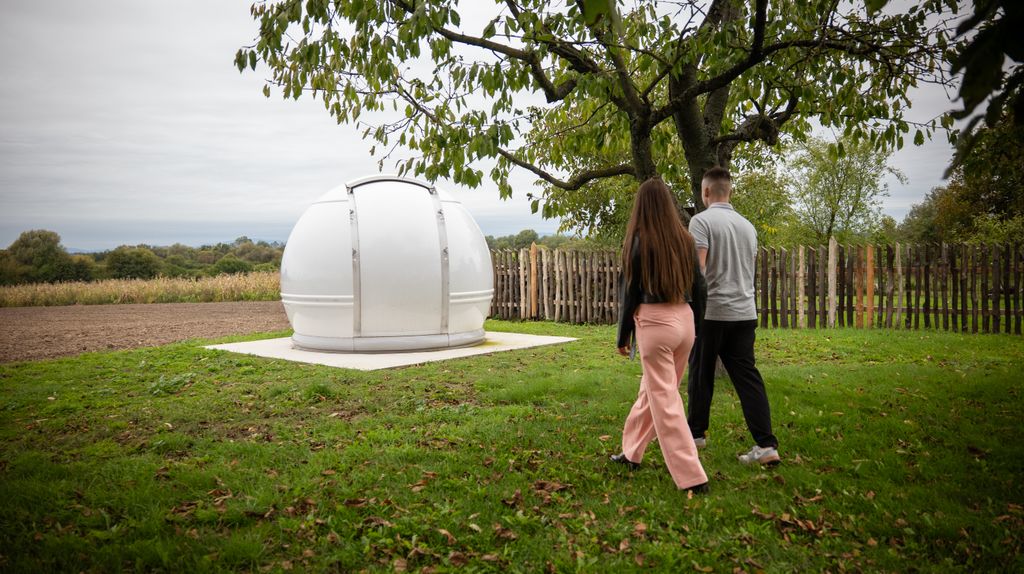
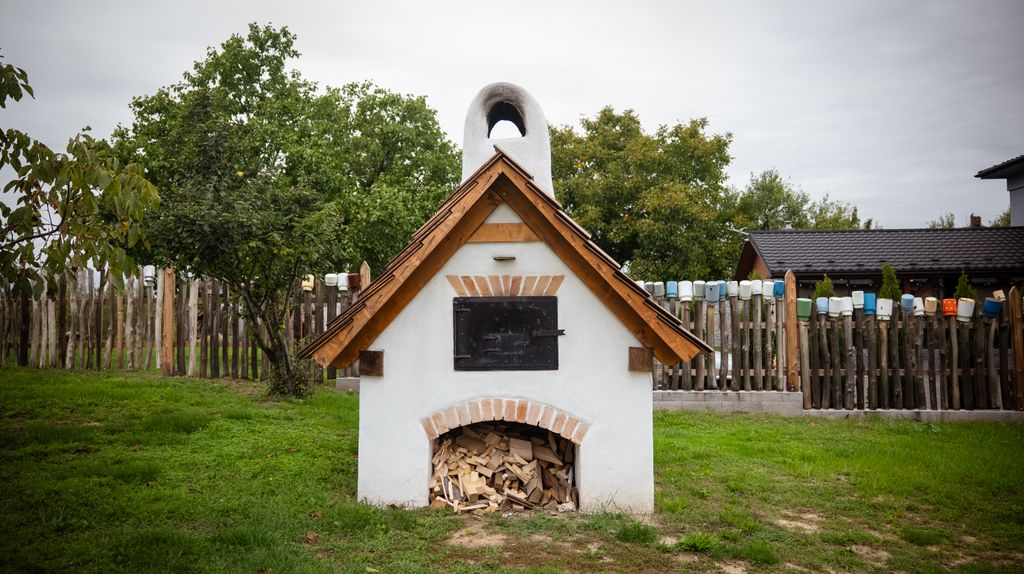
The museum also includes the Slovak American Heritage Garden, which extends the exhibition into an outdoor setting. It features a traditional bread oven, a barn with a historic beehive and the small ŤahyŇASA Observatory, creating the atmosphere of rural life while connecting Slovak and American cultural heritage.
A striking landmark of the garden is the Altar of Slovak Emigration, consisting of 13 historic stained-glass windows from Slovak churches in Olyphant, Pennsylvania, and Torrington, Connecticut. The restored stained-glass windows are set into a roofed steel structure. The altar is a publicly accessible memorial and sacred place commemorating the stories of Slovak emigrants, their faith, cultural heritage and ties to their homeland.
The entire site offers visitors not only a glimpse into history, but also a place to reflect on how difficult it must have been to leave for the unknown and how Slovak emigrants managed to preserve their identity abroad. The museum is open to the public; however, visits are possible only with prior booking by phone or online, allowing for a more personal approach and guided tours.