
While some travellers seek places full of sunshine and relaxation, others discover places where silence and the shadows of the past speak louder than words. Dark Tourism – a phenomenon of recent years – takes us to places associated with tragedy, death, or suffering. It may sound gloomy, but in reality, it is a form of travel that leads to reflection, respect, and understanding.
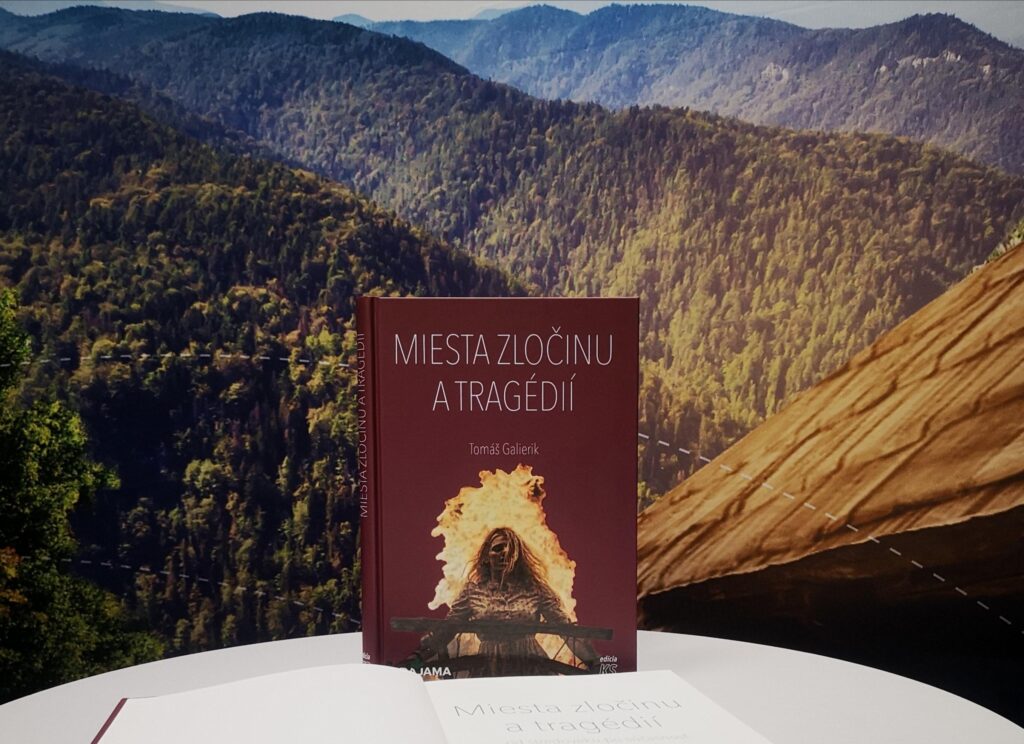
As explained by Tomáš Galierik, the author of the book Miesta Zločinu a Tragédií (Sites of Crime and Tragedy), dark tourism entails ‘travelling to places or searching for places associated with tragic events, death, or disasters. Visitors to such places probably do not perceive themselves as participating in any kind of tourism. They come to the place for reasons of reverence. They are bereaved or have some other connection to the place. However, they may also be enthusiasts of history or interesting events, who are usually fully aware of the significance of the place they are visiting.’
There are several locations in the Košice Region that naturally fit into this theme. Each of them offers a different story, different emotions – but they all touch on deeper layers of our history. In the first part of the series on dark tourism, we will introduce you to locations from ancient and medieval times.
Places of Ancient Sacrifices – Abysses and Pits
Babská Diera Cave (Old Women’s Hole)
History also conceals places where ancient rituals involving human sacrifices took place. In the Slovak Karst, there is the Babská Diera cave, a 46-metre-deep cave abyss that served as a cult site for the Kyjatice Culture of the Late Bronze Age. Archaeological finds have uncovered human remains, pottery, and a mask made from a human skull, probably used in ritual ceremonies.
Sacrificial Pit in Nižná Myšľa
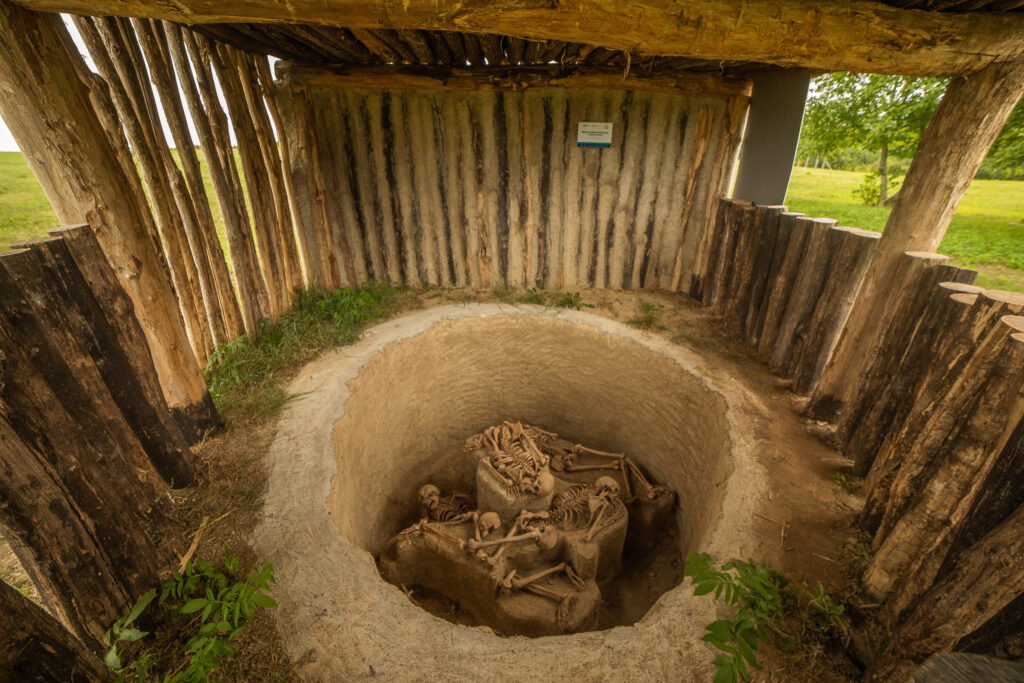
The sacrificial pit in Nižná Myšľa is another unique site. In the archaeological open-air museum, which depicts life in the Bronze Age, archaeologists discovered a pit with the remains of human sacrifices, indicating the existence of ancient religious rituals. These places offer a fascinating, albeit chilling, glimpse into the spiritual world of our ancestors.

Execution sites: Scenes of Pain and Final Moments
Katova Bašta (Executioner’s Bastion) and Miklušova Väznica (Mikluš Prison)
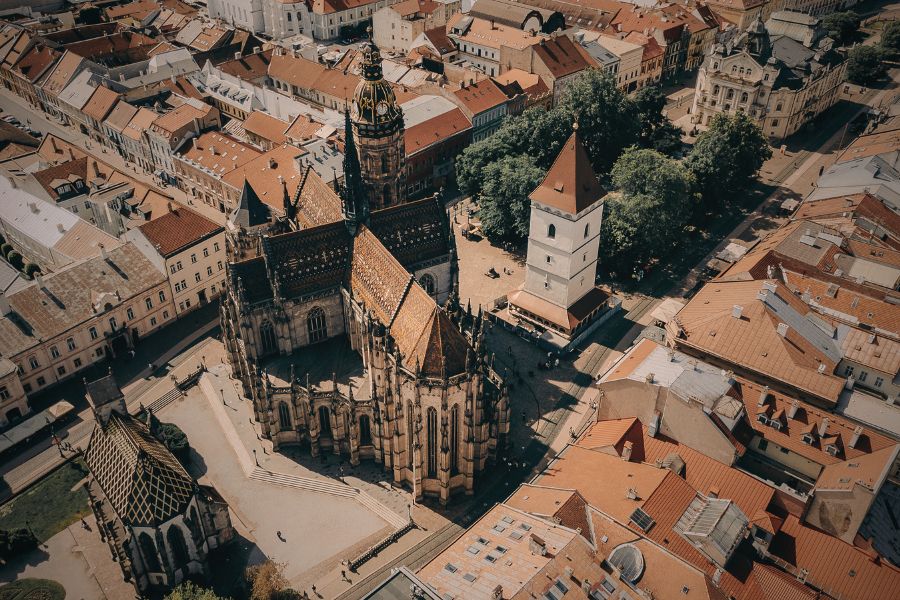
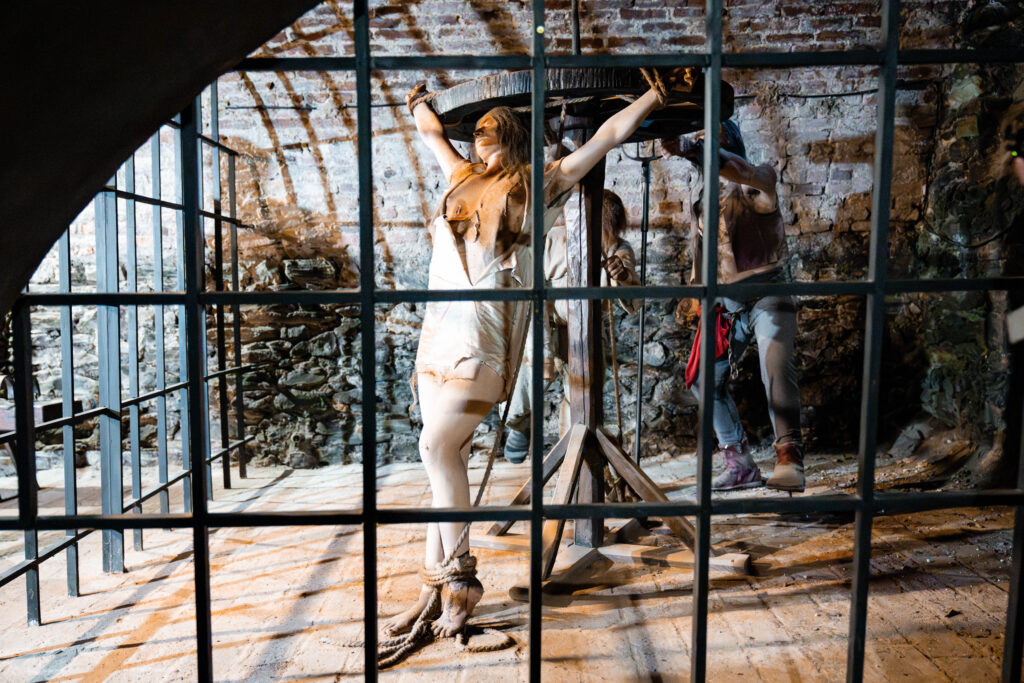
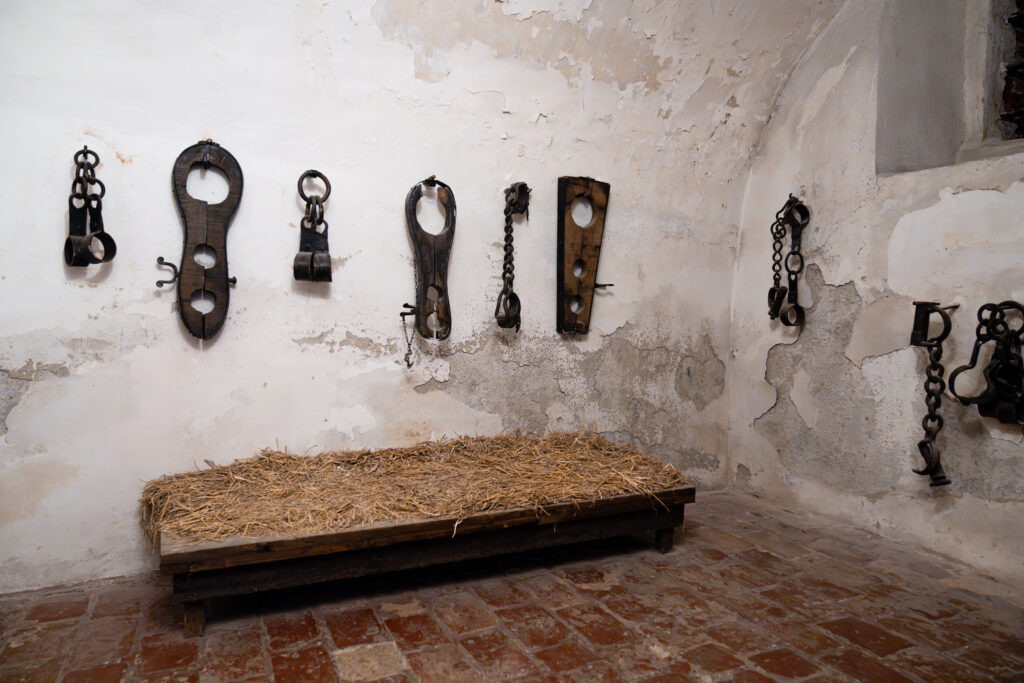
The historic centre of Košice is home to the Katova Bašta (Executioner’s Bastion) and Miklušova Väznica (Mikluš Prison). These are the places where sentences were carried out and punishments were meted out in the past. Mikluš Prison served as a prison from the 17th century until 1911. It stood as a deterrent in the very heart of the historic part of the city and today, in addition to its authentic prison atmosphere with a torture chamber and an executioner, it also offers unique guild monuments installed in former prison cells and exhibits related to the history of the city, trade, and crafts. The Executioner’s Bastion is a symbol of medieval executions. In this exhibition, visitors may view the original execution swords of Košice executioners and learn about the history of the site. Computer visualisation provides an insight into the living conditions of the Košice executioners at that time.
The Gallows Near the Spiš Castle Shrouded in Mystery
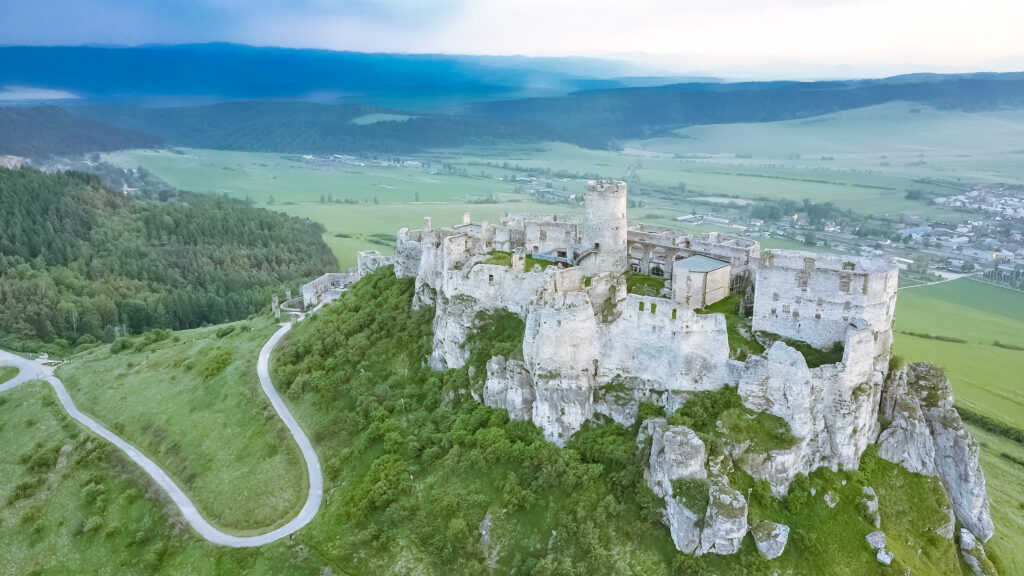
A historic gallows can be found on the road leading to the Spiš Castle, reminding visitors of the period when public executions were carried out in the vicinity of the castle. The place itself, which many people are unaware of, exudes a strange atmosphere. However, you would probably search in vain for any mention of specific executions. It is as if the earth has been cleansed of these cruel deeds. The secrets of the condemned prisoners’ suffering are now preserved only by the surrounding nature, which will never reveal the dark stories of their last moments.
The book also describes other execution sites where no physical remains have been found. For example, in the villages of Iliašovce, Dobšiná, Pribeník, and Kazimír.
The Legend of Tragic Love on the Sugar Cone
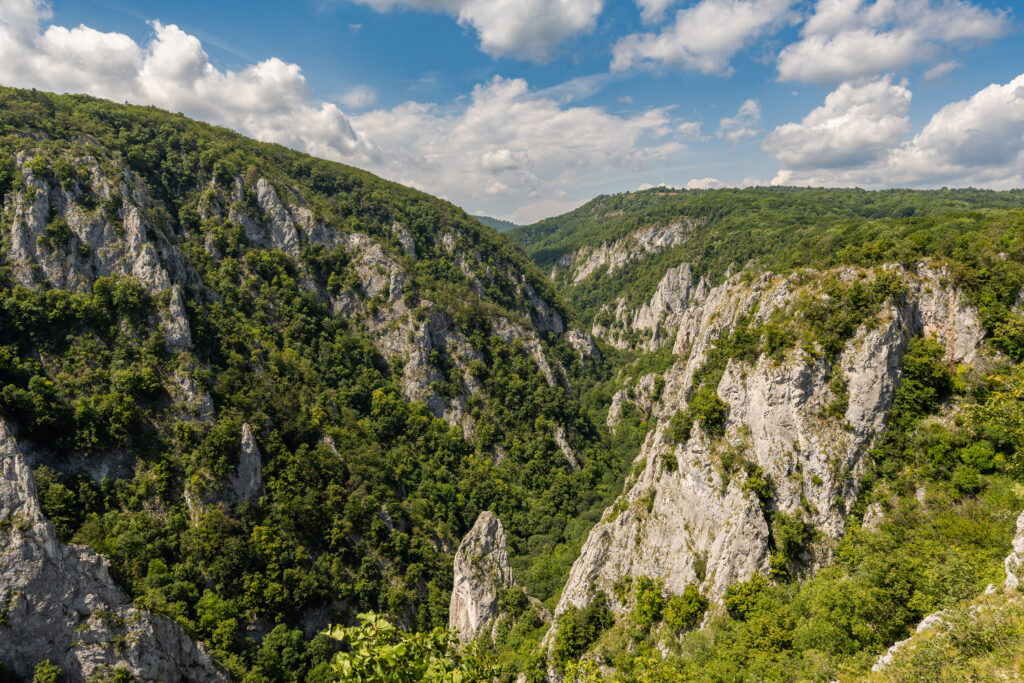
Dominating the Zádielska Dolina valley is the 105-metre-high rock formation known as Cukrová Homoľa (Sugar Cone) or, until recently, Tvarohová veža (Cottage Cheese Tower) by the locals. There are several legends associated with it. One of them tells of a plant called Kavyľ, which once only grew on the Cukrová Homoľa (Sugar Cone).
Only brave young men wore hats decorated with Kavyľ. The legend tells of a girl named Klára Józsová, the most beautiful girl in the village, who would marry the man who brought her a Kavyľ from the top of the Cukrová Homoľa (Sugar Cone). However, Jožo Túri, the most handsome young man in the village, did not want to set out for Kavyľ. Klára eventually regretted this requirement and, since they had fallen in deep love, she decided to climb the rock herself. Jožo followed her, but legend has it that his strength was failing him. When she tried to help him, they both fell and are said to be buried under the rock. Since then, Cukrová Homoľa has been ‘crying’, and Kavyľ can no longer be found on the hats of young men in Zádiel.
The book Sites of Crime and Tragedy by Tomáš Galierik contains information on several interesting dark tourism sites, as well as legends and stories, such as the Vampire of Fekišovce and the Witches of Košice.
Source: Collection of Szádelői Regék (Legends of Szádel), compiled by Gusztáv Stibrányi and Tomáš Galierik – Sites of Crime and Tragedy.