
Regions
Gemer region
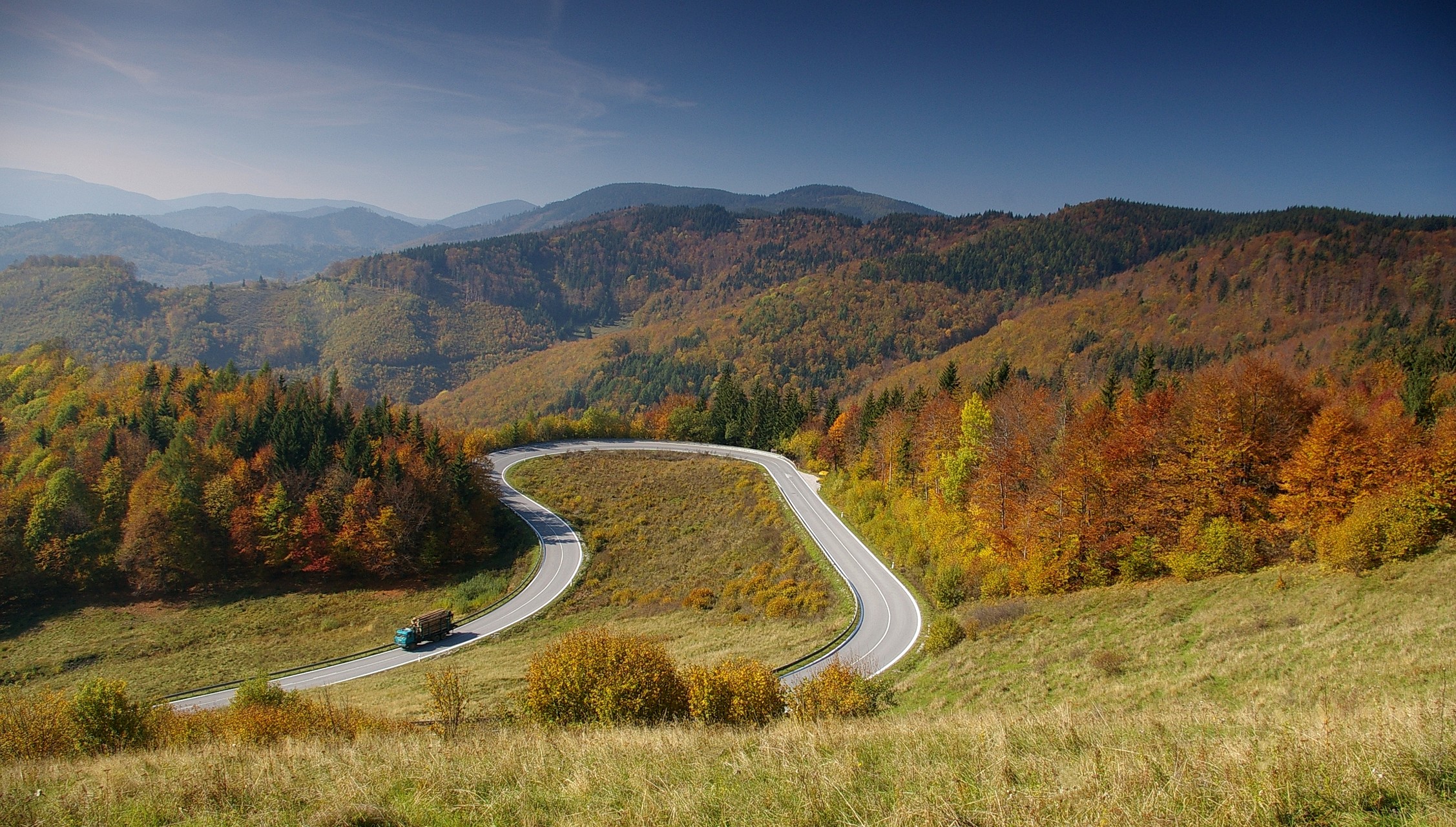
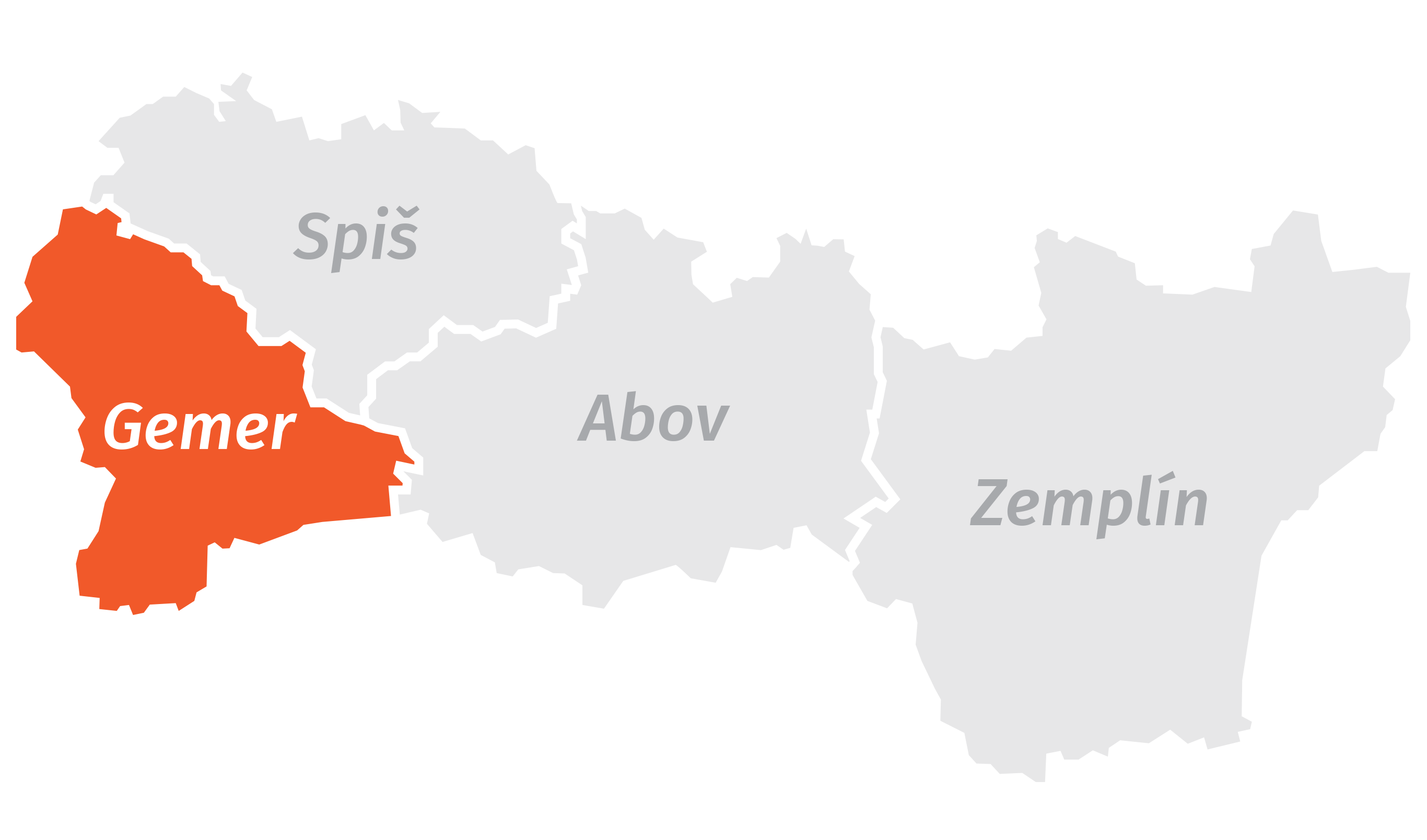
Geographically, the Gemer region will take you from the source of the Hron river in the north to the foothills of the Cerová Highlands in the south, and from the Soroška pass in the east to the Ožďany serpentines in the west. Gemer borders the Slovak Paradise and Muránska planina national parks, while the beautiful Slovak Karst stretches out to the south.
If you find relaxation in the charm of dense forests, mountains, wild streams and steep mountain meadows, or in the blue surface of lakes and ponds, Gemer is the place for you. Gemer is a land of ancient churches, noble manor houses and country mansions. All around, the character of the region is underlined by its preserved folk architecture – timber log houses in the north and masonry houses in the south, with typical white colonnaded porches under which garlands of red peppers and bunches of golden maize dry in the heat of late summer. Both Catholic and Lutheran churches have preserved valuable woodcarvings – Renaissance and Baroque altars, pulpits and baptismal fonts with numerous statues and paintings. Church pews and ceilings with colourful painted ornamentation are unique evidence of local folk creativity. The character of the region was shaped by the rich deposits of precious and base metals in the Spiš-Gemer Ore Mountains and their subsequent processing. The region’s immense treasures are its unique natural phenomena – karst and ice caves beneath three national parks: Slovak Paradise, Slovak Karst and Muránska planina. Among them, the Dobšinská Ice Cave and the Ochtinská Aragonite Cave are unique in the world.

Top places
When visitors enter Gemer, they cannot miss the fact that the region has a rich mining history. For centuries, precious metals – copper, nickel and cobalt – were mined here. This is attested by the old mining village of Stratená and the famous mining town of Dobšiná. The main square and the wealthy houses of Rožňava, the largest Gemer town in the Košice Region, also hint at the former interest of German entrepreneurs in the riches hidden underground. Likewise, the Exhibition of Mining and Metallurgy of Gemer traces the history of Gemer mining and metallurgy from prehistory to the present day, featuring early mining tools, means of transport, mine surveying and lighting equipment. The Mine Workplaces exhibition shows underground mine workings, and the grounds of the Mining Experience Centre house rarities – the third oldest steam roller in the world and the only Škoda Sentinel steam lorry in Slovakia.
No visitor should miss the monuments steeped in history, such as the medieval, originally Gothic Krásna Hôrka Castle. Nearby stands the Art Nouveau Andrássy Family Mausoleum. From there, we head to the edge of the Rožňava Basin, to Betliar. Right here, in the middle of a French-style park, stands perhaps the best-known Andrássy manor house. It was built at the beginning of the 18th century in the Renaissance-Baroque style. Today it houses a museum, and its library, with more than 20,000 volumes resting on its shelves, is also unique.
The most interesting Gothic monuments of Gemer are linked by the Gothic Route, which continues into the Spiš region. https://www.terraincognita.sk/tip-na-vylet-21-za-panmi-z-gemera/
In Gemer you will certainly come across a unique protected natural formation – the largest ice cave and the first electrically lit cave in Europe (since 1887), the Dobšinská Ice Cave. The Ochtinská Aragonite Cave is only 300 m long, but its rich aragonite decoration is truly exceptional. Hidden in an underground system between Slovakia and Hungary is the Domica Cave, notable for its large bat population (around 1,500 individuals of 16 different species). Another attraction here is a boat ride on the Styx stream. If you continue east from Domica, do not miss another show cave – Gombasecká Cave. One of its special features is the so-called Black Spring. Another cave, without guided tours, is the unique Silická ľadnica, with year-round ice decoration in its lower part. It is the lowest-lying ice cave in the temperate climate zone in the world. Krásnohorská Cave, with its unique 32.7 m high stalagmite, ranks among the largest in the world.
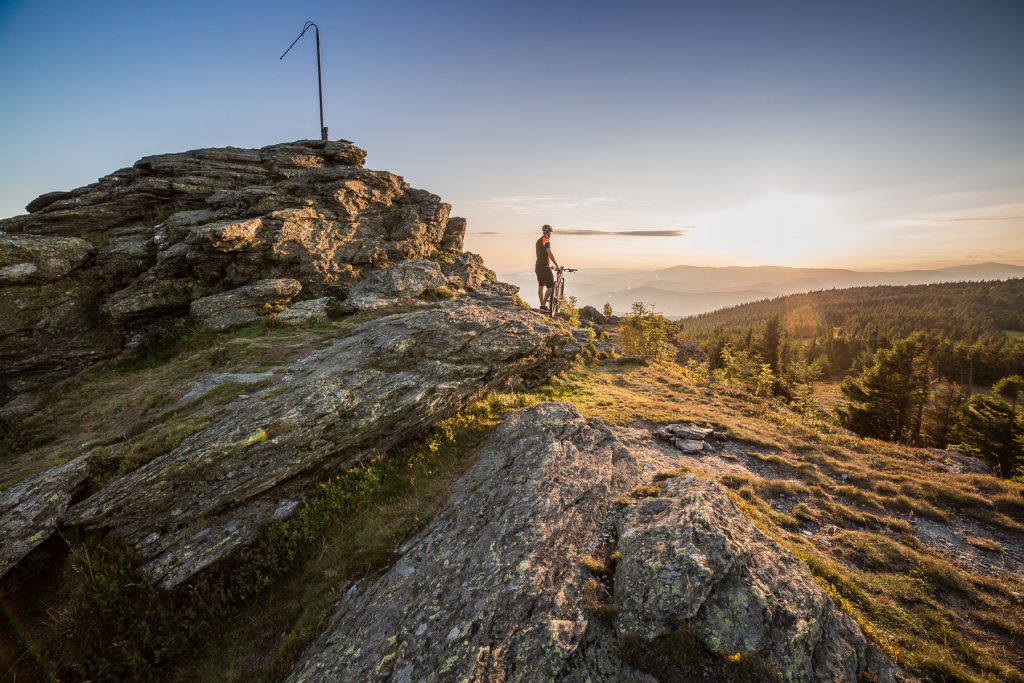
Gemer is a land of log houses, friendly people with a distinctive dialect, and beautiful nature. Here you will find Stolica (1,476 m a.s.l.), the highest point of the Košice Region. The majestic 990-metre Veľký Radzim is also worth a visit.
A remarkable place is the birthplace of Pavol Dobšinský, writer and collector of Slovak folk tales, in Kobeliarovo.
Hidden gems
In Rožňava, it is worth seeing the Watchtower or the Town Hall.
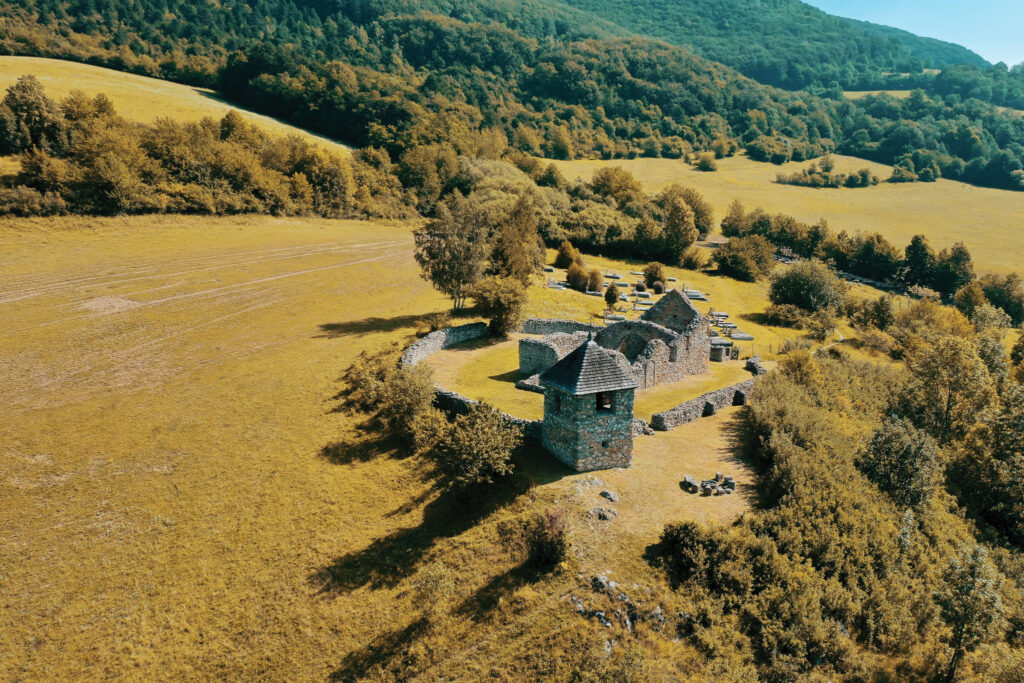
South of Rožňava lies an unusual natural formation, the Farárova jama lake. To the east, the Hussite Church in Lúčka once served as a small fortress for Jan Jiskra of Brandýs and his army of former Hussites, which earned it the name Hussite.
The Water Mill museum in the village of Kováčová, once owned by the Andrássy family of Krásna Hôrka, has its original technical equipment and flour-milling machinery.
Koceľovce in the valley of the Hankovský brook was founded by German settlers who came here to open mines. Its most precious monument is a Gothic church from the first half of the 14th century.
Ranč pod Ostrou skalou is located near the Dobšinská Ice Cave. It breeds horses of various breeds as well as cattle. It offers riding lessons for beginners and advanced riders, and for more demanding guests the ranch organises one-day and multi-day horseback trips with the option of camping in the wild.
Near Jablonov nad Turňou, the medieval granary Granárium is very popular. In Krásnohorská Dlhá Lúka, visit the Craftsmanship House, in Rejdová the Museum of Traditional Folk Culture, and in Štítnik you will find the anti-Turkish fortress known as the Water Castle, once protected by vast marshes.
For all lovers of adrenaline, speed and fun, Plešivec (16 km from Rožňava) offers a go-kart track. It has a 650-metre circuit for experienced drivers and the general public alike. Or head to Brzotín, to the equestrian centre.
Gastronomy
The gastronomy of this distinctive region, which links eastern and western Slovakia along the southern border with Hungary, reflects an exceptionally varied culinary heritage, from traditional dishes to “finom csemege” delicacies fit for a feast. Hungarian influence can be tasted in dishes made from beef, duck and goose. Among the soups, sour milk soup, quince fruit soup and mutton soup deserve a mention. Local kitchens often use lard or oil for cooking. To give their food a special aroma, local cooks never start without onion, ground paprika or marjoram. Many dishes are served with dumplings made from flour and yeast or from potato dough. Vegetable-based side sauces are also interesting. One thing, however, is common to all variations: in Gemer, ball-shaped food is preferred. Gemer dumplings (gemerské guľky), the food of miners and woodcutters, are made from potatoes and streaky smoked meat, smothered in tomato sauce or in sauerkraut with sauce. Then there are sweet curd dumplings with apricots and steamed buns with homemade plum jam or poppy seeds. The shapes of the soup pasta are also interesting – the distinctive gágoriky, made with the help of a spindle and a weaving reed. Corn semolina is used to make škorce with poppy seeds. Leavened flatbreads (posúchy) are baked from plain bread flour, and the hubovník – a savoury pie filled with mushrooms – is also made from leavened dough. One of the surprises is gooseberry sauce – believe it or not – served with steak. Among drinks, the classic mulled pálenka (fruit brandy) remains popular.

Typical regional products
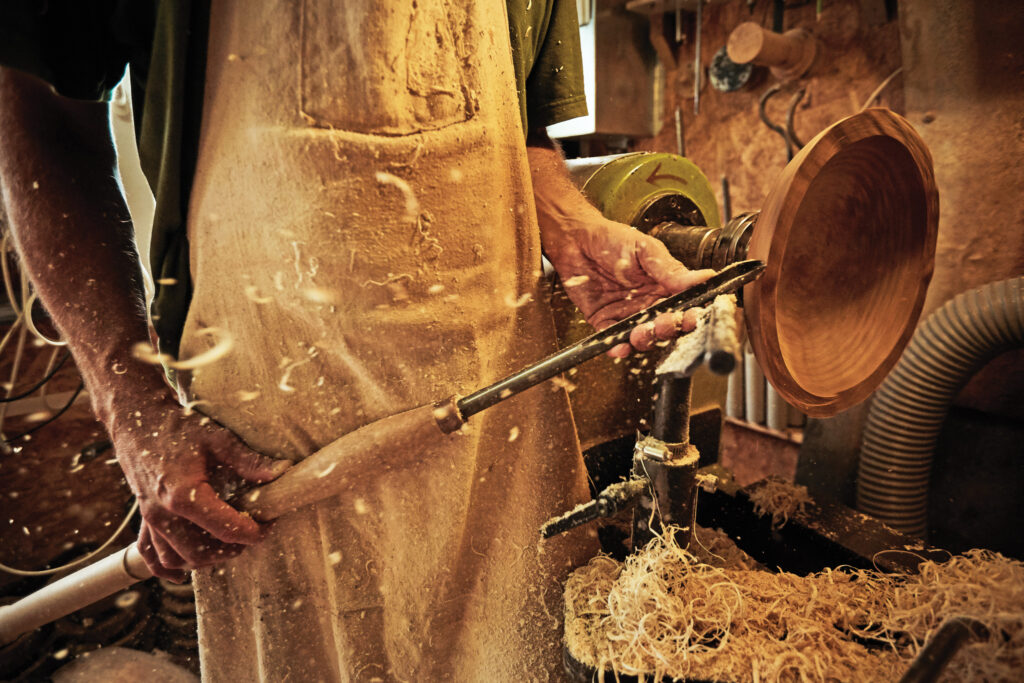
The typical products of Gemer were born in its picturesque villages; Vyšná Slaná and Rejdová are examples of a rich folklore tradition and customs. Rejdová even has a large amount of original folk architecture, which has made it an ethnographic site of national importance. Of particular interest here are woven rugs and bobbin lace. The people of Gemer were known for sewing sheepskin coats and for the fine work of their woodcarvers and tinkers. This region may be the ideal place to take home a wooden toy or a craft item from a blacksmith’s or tinker’s workshop. Pottery once provided work for hundreds of people in Gemer – choose a bowl or a jug from the extensive range of Gemer ceramics. Still popular is the making of leather shepherd’s bags and leather bottle covers, as well as high-quality shingle making. Under feudalism there were several bell foundries in Gemer – in Dobšiná, Rožňava, Štítnik and Vlachovo – so why not end your journey through Gemer with a symbolic little bell to take home from the region.